Categories: Herbal MedicinePosts

How to Use Medicinal Plants Safely: A Complete Guide to Herbal Medicine for Beginners 2025

How to Use Medicinal Plants? Medicinal plants have been used for thousands of years to treat ailments and improve overall well-being. As someone who has studied and practiced herbal medicine for years, I understand the importance of using these natural remedies safely and effectively. In this comprehensive guide, I will share the history of medicinal plants, key principles of herbal medicine, and 10 essential plants with scientifically backed benefits. Plus, you’ll find easy-to-follow herbal tea recipes to help you get started.


A Brief History of Herbal Medicine

The use of medicinal plants dates back to ancient civilizations. The Egyptians, for example, documented herbal remedies on papyrus scrolls over 5,000 years ago. The Chinese developed an extensive pharmacopoeia, with books like the “Shennong Ben Cao Jing” (c. 200 BCE), listing hundreds of healing herbs. In India, Ayurveda has used plant-based treatments for over 3,000 years.

Hippocrates (460–370 BCE), known as the father of modern medicine, emphasized natural remedies, saying, “Let food be thy medicine and medicine be thy food.” His philosophy remains relevant today, as many pharmaceutical drugs are derived from plant compounds.

With the advancement of science, researchers have confirmed the efficacy of many medicinal plants, proving their value in treating various conditions.

How to Use Medicinal Plants of Safe Herbal Medicine Use

Using medicinal plants is powerful but requires knowledge and caution. Here are the essential principles to follow:

  1. Know the Plant’s Properties – Each plant has unique active compounds. Research their benefits, potential risks, and interactions.
  2. Use Proper Dosage – Herbal remedies can be potent. Overuse may cause adverse effects. Follow recommended guidelines.
  3. Be Aware of Contraindications – Some herbs interact with medications or are unsafe for certain groups, such as pregnant women or those with chronic conditions.
  4. Choose High-Quality Sources – Use organic, pesticide-free herbs from reputable suppliers.
  5. Start with Small Amounts – If you’re new to an herb, begin with a low dose to test for allergies or sensitivities.

Now, let’s explore 10 essential medicinal plants that every beginner should know.

10 Essential Medicinal Plants and Their Uses

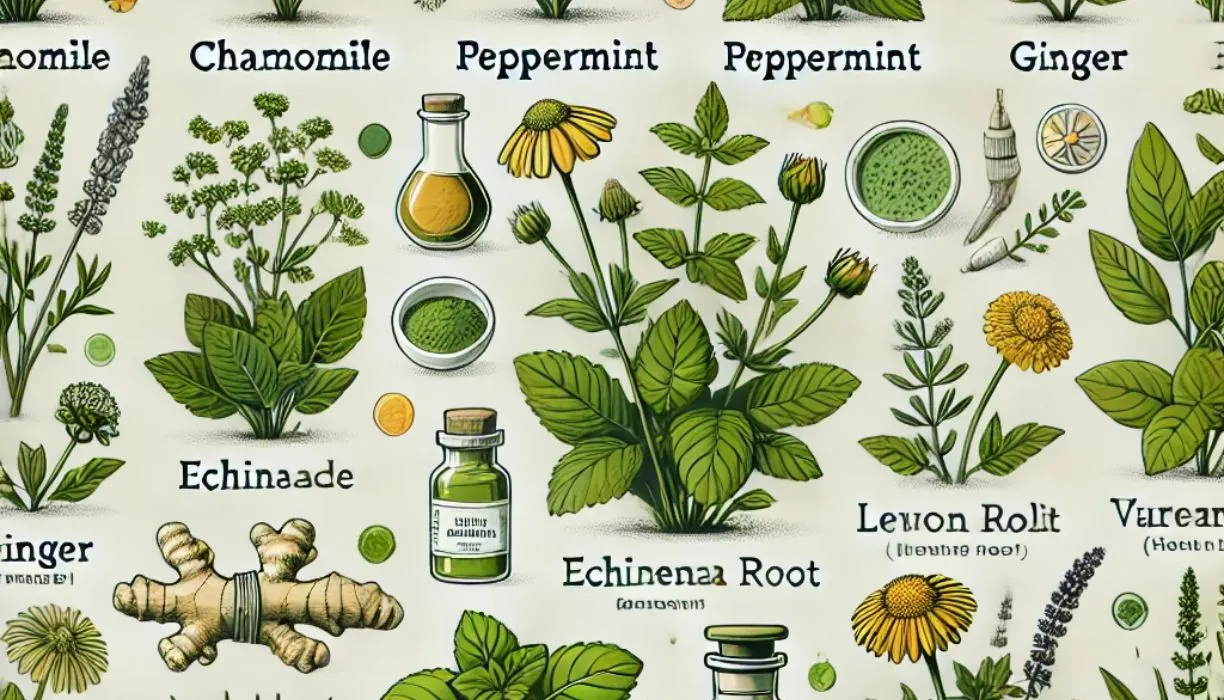
1. Chamomile (Matricaria chamomilla)

  • Benefits: Relieves stress, promotes sleep, aids digestion.
  • Scientific Evidence: A study published in Molecular Medicine Reports (2010) found that chamomile has anti-inflammatory and sedative properties (Srivastava, Shankar & Gupta, 2010).
  • Tea Recipe: Steep 1 teaspoon of dried chamomile flowers in hot water for 10 minutes. Drink before bed.
Chamomile (Pixabay)

2. Peppermint (Mentha piperita)

  • Benefits: Relieves headaches, supports digestion, soothes nausea.
  • Scientific Evidence: Research in Phytotherapy Research (2018) confirmed its effectiveness in treating irritable bowel syndrome (Alammar et al., 2018).
  • Tea Recipe: Steep 5 fresh peppermint leaves in boiling water for 5 minutes. Drink after meals.

3. Ginger (Zingiber officinale)

  • Benefits: Anti-inflammatory, relieves nausea, supports immunity.
  • Scientific Evidence: Studies show ginger can significantly reduce nausea and muscle pain (Daily et al., 2015).
  • Tea Recipe: Boil 1 teaspoon of grated ginger root in water for 10 minutes. Add honey and lemon.
Ginger (Pixabay)

4. Echinacea (Echinacea purpurea)

  • Benefits: Boosts immune function, reduces cold symptoms.
  • Scientific Evidence: Research in The Lancet found that echinacea can reduce the duration of colds by 1.4 days (Shah, Sander & White, 2007).
  • Tea Recipe: Steep 1 teaspoon of dried echinacea in hot water for 15 minutes. Drink at the first sign of a cold.

5. Lavender (Lavandula angustifolia)

  • Benefits: Reduces anxiety, improves sleep, soothes headaches.
  • Scientific Evidence: A 2013 study in Evidence-Based Complementary and Alternative Medicine showed lavender aromatherapy reduces anxiety (Koulivand et al., 2013).
  • Tea Recipe: Brew 1 teaspoon of dried lavender flowers in hot water for 10 minutes.

6. Turmeric (Curcuma longa)

  • Benefits: Anti-inflammatory, supports joint health, boosts brain function.
  • Scientific Evidence: A study in Advances in Experimental Medicine and Biology highlights its powerful anti-inflammatory effects (Gupta et al., 2013).
  • Tea Recipe: Mix ½ teaspoon of turmeric powder in hot water with black pepper and honey.

7. Lemon Balm (Melissa officinalis)

  • Benefits: Reduces stress, improves mood, aids digestion.
  • Scientific Evidence: Research in Nutrients (2014) found that lemon balm helps with anxiety and cognitive function (Scholey & Kennedy, 2004).
  • Tea Recipe: Steep 10 fresh lemon balm leaves in hot water for 5 minutes.

8. Valerian Root (Valeriana officinalis)

  • Benefits: Promotes deep sleep, reduces anxiety.
  • Scientific Evidence: A study in Sleep Medicine (2011) found valerian improves sleep quality (Bent et al., 2006).
  • Tea Recipe: Steep 1 teaspoon of dried valerian root in hot water for 15 minutes before bedtime.

9. Holy Basil (Ocimum sanctum)

  • Benefits: Reduces stress, boosts immunity, improves respiratory health.
  • Scientific Evidence: A study in Journal of Ayurveda and Integrative Medicine (2014) supports its adaptogenic properties (Cohen, 2014).
  • Tea Recipe: Steep 5 fresh holy basil leaves in boiling water for 10 minutes.

10. Dandelion (Taraxacum officinale)

  • Benefits: Supports liver health, aids digestion.
  • Scientific Evidence: A study in Journal of Ethnopharmacology (2010) confirmed its hepatoprotective properties (Kooti & Daraei, 2017).
  • Tea Recipe: Boil 1 teaspoon of dried dandelion root in water for 10 minutes.
AI GPT

Which professionals to consult for the safe use of natural herbal treatments

While medicinal plants offer numerous health benefits, it is essential to seek guidance from qualified professionals to ensure their safe and effective use. The right expert can help you choose the best herbal remedies based on your health condition, existing medications, and individual needs. Below are the key professionals to consult before incorporating herbal treatments into your routine.

1. Naturopathic Doctors (NDs)

Naturopathic doctors are trained in both conventional medicine and natural therapies. They specialize in holistic healing and can recommend herbal treatments while considering your overall health. Many NDs use a combination of botanical medicine, nutrition, and lifestyle changes to address health concerns.

2. Herbalists

Professional herbalists have in-depth knowledge of medicinal plants and their applications. They can create customized herbal formulas and provide guidance on safe dosages. When consulting an herbalist, ensure they have certification from recognized organizations such as the American Herbalists Guild (AHG) or equivalent institutions in your country.

3. Integrative and Functional Medicine Practitioners

These healthcare professionals combine conventional medicine with natural treatments. They can help you incorporate medicinal plants into a broader health plan while ensuring there are no harmful interactions with prescribed medications.

4. Registered Dietitians and Nutritionists

Many dietitians have expertise in functional foods and herbal supplements. They can help you choose herbal teas and remedies that support your diet and health goals. If you are using medicinal plants for digestion, weight management, or metabolic conditions, a nutritionist can provide valuable insights.

5. Pharmacists with Herbal Medicine Knowledge

Some pharmacists specialize in herbal medicine and can inform you about potential interactions between herbal remedies and prescription drugs. This is especially important for individuals taking medications for chronic conditions.

6. Medical Doctors with Training in Herbal Medicine

Some physicians have additional training in herbal and alternative medicine. They can provide evidence-based recommendations on incorporating medicinal plants into your treatment plan.

Final Tip: Always consult a healthcare provider before using medicinal plants, especially if you are pregnant, nursing, or managing a chronic illness.

Final Thoughts: Share Your Herbal Journey!

Using medicinal plants can be a transformative experience, improving health naturally. However, safety is key. Always research, consult healthcare professionals if needed, and listen to your body’s response.

Now, I’d love to hear from you! Have you tried any of these medicinal plants? What has been your experience? Leave a comment below and share your thoughts!

References

  • Alammar, N., Wang, L., Saberi, B., Nanavati, J., et al. (2018). Phytotherapy Research.
  • Bent, S., Padula, A., Moore, D., et al. (2006). Sleep Medicine.
  • Cohen, M. M. (2014). Journal of Ayurveda and Integrative Medicine.
  • Koulivand, P. H., Ghadiri, M., Gorji, A. (2013). Evidence-Based Complementary and Alternative Medicine.
  • Srivastava, J. K., Shankar, E., Gupta, S. (2010). Molecular Medicine Reports.

Source website: 20+ Medicinal Plants Books for Free! [PDF]

Eliza Martins

My name is Elizabete Martins, 46 years old. I am a digital content editor (Publisher), trained and specialized in Marketing. I learned from my ancestors that nature offers valuable resources to balance the body, mind and soul, and it was this passion that led me to create this blog.

Recent Posts

Mindfulness for Anxious Minds: I Discovered 7 Science-Backed Techniques That Actually Calm Your Racing Thoughts in Minutes.

Mindfulness for anxious minds revealed: I tested 7 proven techniques that scientists say can reduce anxiety by 58% in just…

7 months ago

7 Mindful Eating Techniques to Lose Weight, Gain Energy and Improve Health in Just Days.

Have you ever thought about how we eat nowadays? In such a fast-paced world, eating has become automatic, without attention.…

8 months ago

Transformative Urban Shamanism: Ancient Practices for Emotional Balance in the 21st Century.

Shamanism Urban: Discover how ancient shamanic wisdom can transform your modern life, bringing emotional healing and spiritual connection despite city…

8 months ago

10 powerful Yin-Yang principles that will transform your modern life.

The principles of Yin-Yang offer concrete solutions to the overwhelming imbalance many feel in today’s fast-paced world. These ancient teachings…

9 months ago

Natural Detox: 7 Steps to Renew Your Body Without Extremes.

Natural Detox, Discover how to detoxify your body in a balanced and effective way, with proven natural methods that will…

10 months ago

What is Holistic Wellness and Why is it the Key to Good Health in the 21st Century?

Holistic Wellness! What do Traditional Chinese Medicine, modern neuroscience, and ancient rituals have in common? Discover the timeless secret revolutionizing…

10 months ago