

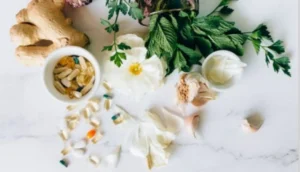
Medicinal plants have been used by different cultures throughout history to treat and prevent diseases. With the growing interest in natural health treatments, understanding the benefits and uses of these plants is essential to integrating them safely and effectively into everyday life.
What are Medicinal Plants?
Medicinal plants are plant organisms that contain bioactive compounds capable of having therapeutic effects on the human body. These compounds, known as active principles, can act in various ways on the body, promoting from prevention to treatment of numerous health conditions. The use of plants for medicinal purposes dates back to ancient times, being a practice present in several cultures around the world.
The versatility of medicinal plants allows them to be used in different forms of preparation and administration, adapting to the specific needs of each individual and condition. One of the most common forms is infusion, popularly known as tea, where parts of the plant, such as leaves, flowers or roots, are steeped in hot water to extract their active ingredients. infusion is widely used due to its simplicity and effectiveness, and is indicated for a variety of symptoms, such as insomnia, anxiety and digestive problems.
Another form of use is through extracts, which are concentrated preparations made by macerating or percolating the parts of the plant in suitable solvents, such as alcohol or water. Extracts can be liquid or dry and are used by the pharmaceutical industry in the production of herbal medicines, guaranteeing the precise dosage of the active ingredients.
Essential oils, on the other hand, are volatile substances extracted mainly by steam distillation from aromatic parts of plants. These oils have significant therapeutic properties and are widely used in aromatherapy, massage and even cosmetic products, due to their antimicrobial, anti-inflammatory and relaxing properties.
Herbal ointments and creams are semi-solid preparations intended for topical application, incorporating extracts or essential oils from medicinal plants. They are indicated for the treatment of skin conditions such as dermatitis, burns and wounds, taking advantage of the healing and anti-inflammatory properties of certain plant species.
It is important to note that although medicinal plants offer a natural alternative for health promotion, their use should be carried out with caution and knowledge. The correct identification of the species, the part of the plant used, the method of preparation and the dosage are crucial factors to ensure the effectiveness and safety of the treatment. In addition, it is essential to consider possible interactions with conventional medicines and specific contraindications. Therefore, we always recommend consulting a health professional before starting any herbal therapy.
Modern science has dedicated itself to the study of medicinal plants, seeking to validate and understand the mechanisms of action of their bioactive compounds. This scientific interest has contributed to the integration of herbal medicine into conventional medicine, offering evidence-based therapeutic options for various health conditions. However, it is essential that the use of medicinal plants is guided by rational and safe use, guaranteeing real benefits to the patient.
Medicinal plants represent an invaluable therapeutic wealth, the result of the interaction between traditional knowledge and scientific research. Their correct use can make a significant contribution to promoting health and well-being, provided it is carried out in an informed and responsible manner.
Benefits of Medicinal Plants
The use of medicinal plants offers several advantages, including:
- Accessibility: Many plants can be easily cultivated at home or readily obtained, making them a viable option for various individuals.
- Multiple Applications: Some plants possess anti-inflammatory, antioxidant, antimicrobial, and other properties, allowing their use in different therapeutic contexts.
- Lower Incidence of Side Effects: When used correctly, medicinal plants tend to present fewer adverse effects compared to some synthetic medications.
Medicinal plants offer a wide range of benefits that go beyond those already mentioned. A significant advantage is the biodiversity available, especially in tropical countries like Brazil, which has one of the greatest diversities of medicinal plants in the world. This wealth allows access to a variety of species with different therapeutic properties, broadening treatment options. According to the author, Mara Zélia de Almeida, livro: Plantas medicinais
In addition, many medicinal plants are sustainable and can be grown ecologically, promoting agricultural and organic practices that respect the environment. This is particularly relevant in rural communities, where the cultivation of medicinal plants can be integrated into agroforestry systems, contributing to biodiversity conservation and income generation. According to the author, Mara Zélia de Almeida, livro: Plantas medicinais
Another important benefit is the cultural acceptance of medicinal plants. In many cultures, the use of plants for therapeutic purposes is deeply rooted in healing traditions and practices, making it easier for patients to adhere to herbal treatments. This cultural acceptance can be a determining factor in therapeutic success, especially in contexts where conventional medicine faces resistance or distrust.
It’s important to note that although medicinal plants offer many benefits, their use must be based on scientific evidence and guided by qualified health professionals. Modern phytotherapy seeks to integrate traditional knowledge with scientific research, guaranteeing the safety and efficacy of treatments. Clinical and pharmacological studies are essential to validate the therapeutic properties of plants and identify possible drug interactions or adverse effects
Medicinal plants represent a valuable and multifaceted alternative for health promotion, offering benefits that range from accessibility and therapeutic versatility to environmental sustainability and cultural acceptance. However, it is essential that their use is conducted in an informed and responsible manner, always backed by scientific evidence and professional guidance.
Main Medicinal Plants and Their Uses
Below we highlight some of the most recognized medicinal plants and their respective benefits:
- Chamomile (Matricaria chamomilla): Known for its calming properties, it is often used to relieve anxiety and promote sleep. It contains compounds such as apigenin and luteolin, which help reduce stress and improve sleep quality.
- Ginger (Zingiber officinale): It has anti-inflammatory effects and is effective in relieving nausea and digestive problems. Ginger helps improve digestion and reduce inflammation. It is also very good for migraines.
- Aloe Vera (Aloe barbadensis): Used to treat burns, wounds and skin irritations due to its healing and anti-inflammatory properties. Aloe Vera is known for accelerating healing and relieving inflammation.
- Echinacea (Echinacea purpurea): Known for strengthening the immune system and helping to prevent colds and flu. Echinacea is often used to stimulate the immune system and prevent infections.
- Valerian (Valeriana officinalis): Used as a natural sedative to treat insomnia and anxiety disorders. Valerian helps promote sleep and reduce anxiety.

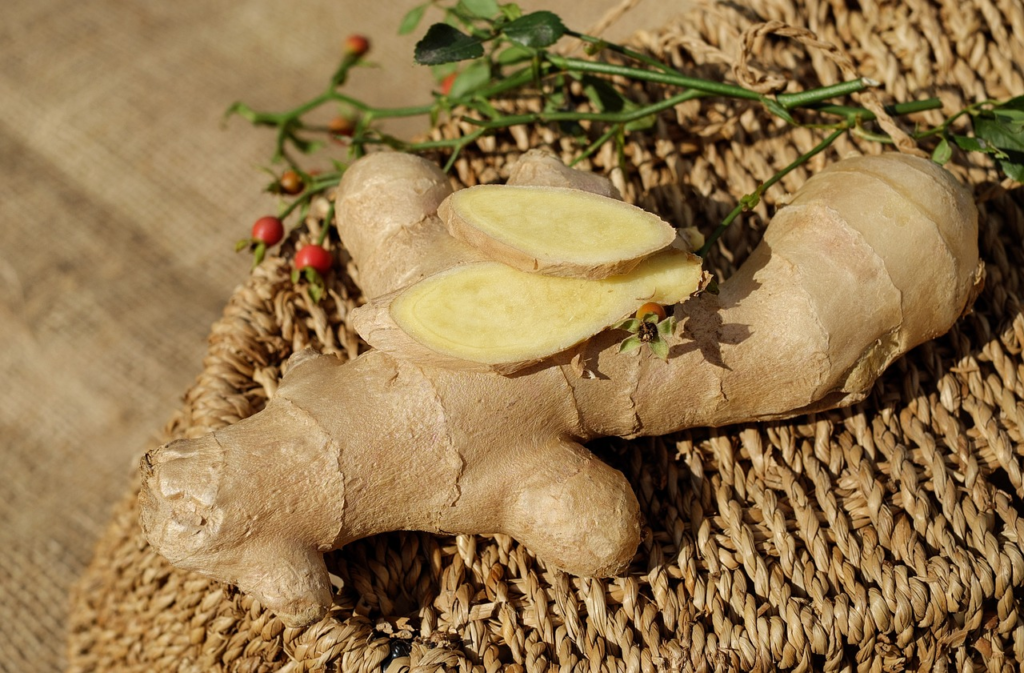
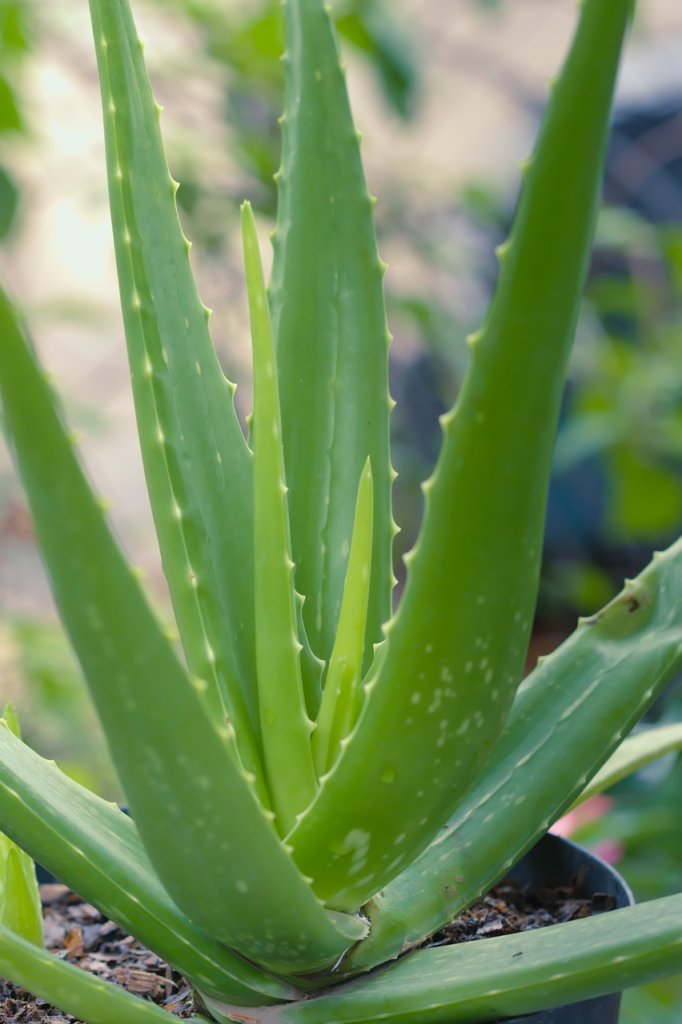

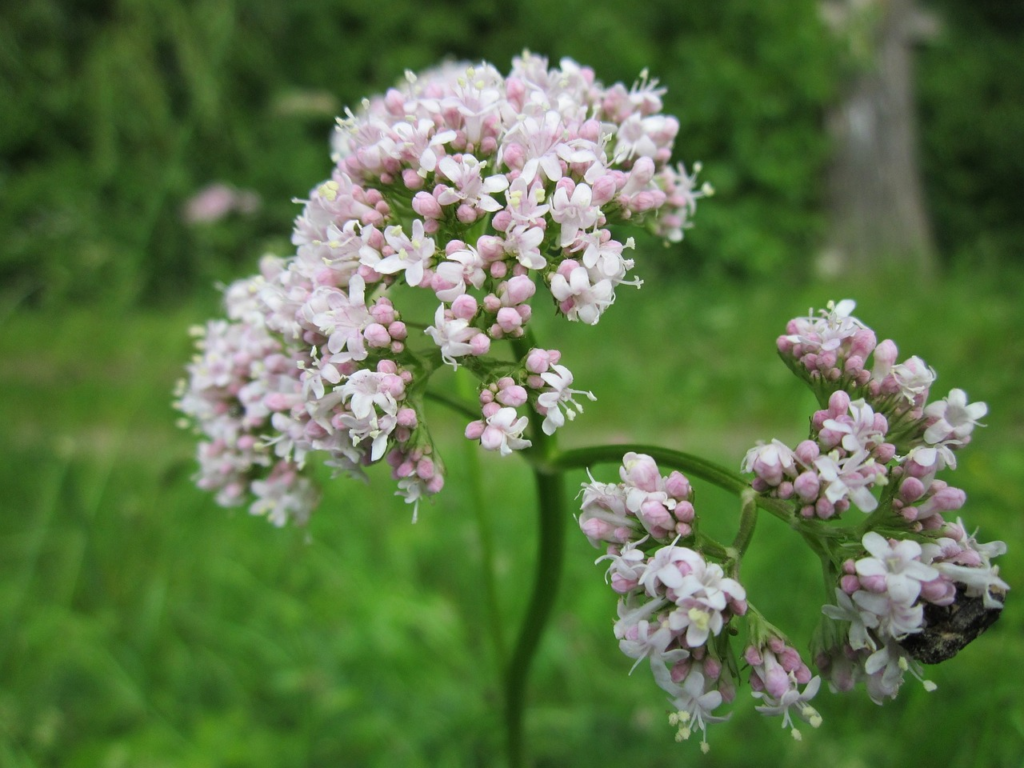
To check the veracity of this information, you can consult these reliable sources such as scientific articles, herbal medicine books and recognized health websites such as Tua Saúde. These sources provide information based on scientific evidence and reviewed by experts.
Safe Use and Important Considerations
Although medicinal plants offer many benefits, it is crucial to use them responsibly:
The use of medicinal plants can bring numerous health benefits, but it is essential to adopt them responsibly to ensure safety and efficacy. Before starting any herbal treatment, it is highly recommended that you consult a qualified health professional, such as a herbalist or doctor with experience in the field. These specialists can assess your state of health, medical history and possible interactions with medications you are already using, ensuring the safe use of medicinal plants. orientacoes-sobre-o-uso-de-fitoterapicos-e-plantas-medicinais.pdf
A dosagem adequada é outro aspecto crucial. Embora muitas plantas sejam naturais, isso não significa que sejam isentas de riscos. O uso excessivo ou inadequado pode levar a efeitos adversos, como toxicidade hepática ou reações alérgicas. Por exemplo, o uso prolongado de chá de confrei (Symphytum officinale) pode causar danos ao fígado devido à presença de alcaloides pirrolizidínicos. Portanto, é essencial seguir as orientações de dosagem fornecidas por profissionais de saúde ou fontes confiáveis. giovanna_albuquerque_et_all.pdf
Drug interactions represent a significant concern in the use of medicinal plants. Some plants can interact with conventional medicines, altering their effectiveness or increasing the risk of side effects. For example, hypericum (Hypericum perforatum), also known as St. John’s wort, can reduce the effectiveness of oral contraceptives and anticoagulants, due to the induction of liver enzymes that metabolize these drugs. It is crucial to inform your healthcare professional about all the herbal medicines and supplements you are using to avoid harmful interactions.
The quality of medicinal plant sources is another determining factor in the safety of treatment. Use products from reliable suppliers who guarantee the purity and potency of the active compounds. Contamination by heavy metals, pesticides or adulteration with other species can compromise the efficacy and safety of the herbal medicine. The National Health Surveillance Agency (Anvisa) recommends checking that the product is registered and complies with established quality standards.
It is also important to be aware of possible contraindications. Some plants are not recommended for pregnant women, nursing mothers, children or people with certain health conditions. For example, cinnamon (Cinnamomum cassia) in high doses can have an anticoagulant effect, which is contraindicated for people using anticoagulant medication. Always seek professional advice before starting to use any medicinal plant.
In summary, although medicinal plants offer a valuable therapeutic alternative, their use requires caution and knowledge. Consulting health professionals, paying attention to dosage, considering drug interactions, ensuring the quality of sources and observing contraindications are essential measures to ensure safe and effective treatment.
For an in-depth analysis of the safe and rational use of medicinal plants, see the study available at SciELO Brasil – Medicinal plants: an approach to safe and rational use Medicinal plants: an approach to safe and rational use
Conclusion
Medicinal plants represent a valuable tool for the promotion of health and well-being. By integrating them in an informed and responsible manner, it is possible to take advantage of their therapeutic benefits and contribute to a more natural approach to health care.
Always remember to seek information from reliable sources and consult health professionals before starting any treatment with medicinal plants.
This article is based on current research and seeks to provide a comprehensive guide on the subject, promoting the conscious and safe use of medicinal plants.
Visit the home page to find out more about our mission and what we can offer you. https://bethcat.com/