


Ayurveda Test for Beginners: How to Discover Your Dosha
Unlock the secrets of your body and mind with this quick, science-backed quiz—find your unique Ayurvedic profile and transform your health, energy, and lifestyle in just 5 minutes! 🌿✨
What Are the Doshas?
In Ayurveda, we believe that every person is born with a unique constitution, known as Prakriti. This constitution is shaped by three essential bioenergies, called Doshas:
- Vata (Air and Ether) – Associated with movement, creativity, and flexibility.
- Pitta (Fire and Water) – Connected to metabolism, digestion, and intensity.
- Kapha (Earth and Water) – Linked to stability, endurance, and calmness.
The balance of these Doshas in your body influences everything from your digestion to your mental health and emotional tendencies.
As a scientist specializing in Ayurveda and integrative health, I have spent years researching how this ancient system can be applied in modern life. One of the fundamental principles of Ayurveda is understanding your Dosha, the unique energy that governs your body and mind.
If you’re looking for a personalized and natural approach to wellness, discovering your Dosha is the first step. Knowing whether you are predominantly Vata, Pitta, or Kapha can completely change how you approach nutrition, exercise, and overall health.
How to Discover Your Dosha: A Science-Based Ayurveda Test
Unlike many generic online quizzes, this method integrates classical Ayurvedic principles with modern research to provide a more accurate self-assessment.
1. Your Body Type and Physique
- A) Slim, struggles to gain weight (Vata)
- B) Athletic, naturally muscular (Pitta)
- C) Large frame, tends to gain weight easily (Kapha)
2. Your Skin and Hair
- A) Dry, thin, cool skin; fine hair prone to dryness (Vata)
- B) Warm, reddish skin; fine, oily hair (Pitta)
- C) Soft, oily skin; thick, voluminous hair (Kapha)
3. Your Appetite and Digestion
- A) Irregular appetite; prone to bloating and gas (Vata)
- B) Strong appetite; gets hungry at regular intervals (Pitta)
- C) Slow metabolism; can skip meals without feeling hungry (Kapha)
4. Your Energy and Activity Levels
- A) Energetic but easily fatigued (Vata)
- B) Consistently energetic, driven, competitive (Pitta)
- C) Steady energy but tends toward laziness (Kapha)
5. Your Personality and Emotions
- A) Creative, anxious, prone to overthinking (Vata)
- B) Determined, assertive, can be impatient (Pitta)
- C) Calm, loyal, dislikes change (Kapha)
6. Sleep Patterns
- A) Light sleeper, occasional insomnia, wake up frequently (Vata)
- B) Moderate sleeper, wake up refreshed, vivid dreams (Pitta)
- C) Deep sleeper, hard to wake up, rarely remember dreams (Kapha)
7. How You Handle Stress
- A) Anxiety, racing thoughts, feeling overwhelmed (Vata)
- B) Irritability, perfectionism, critical tendencies (Pitta)
- C) Procrastination, clinging to comfort, slow to act (Kapha)
8. Climate Preferences
- A) Hate the cold; prefer warm, cozy environments (Vata)
- B) Avoid extreme heat; love cool, breezy weather (Pitta)
- C) Handle cold well; prefer sunny, dry climates (Kapha)
9. Food Sensitivities
- A) Struggle with raw/cold foods; feel better with soups/stews (Vata)
- B) Avoid spicy/acidic foods; get heartburn easily (Pitta)
- C) Avoid greasy/dairy-heavy meals; feel sluggish after eating (Kapha)
10. Digestive Health
- A) Irregular digestion (constipation or diarrhea) (Vata)
- B) Strong digestion but prone to acid reflux (Pitta)
- C) Slow metabolism, bloating, mucus buildup (Kapha)
11. Mental Habits
- A) Quick learner but easily distracted; forgetful (Vata)
- B) Sharp focus, competitive, great memory (Pitta)
- C) Steady thinker, slow to decide, long-term memory (Kapha)
12. Immune System
- A) Catch illnesses often; slow to recover (Vata)
- B) Rarely sick but prone to inflammation (Pitta)
- C) Strong immunity; rarely fall ill (Kapha)
13. Daily Routines
- A) Disorganized, hate schedules, crave variety (Vata)
- B) Planner, love control, hate surprises (Pitta)
- C) Slow to adapt; love predictable routines (Kapha)
14. Emotional Tendencies
- A) Mood swings (quick joy/sadness) (Vata)
- B) Passionate, ambitious, quick to anger (Pitta)
- C) Emotionally steady, sentimental, resistant to change (Kapha)

Your Results
- Mostly A’s: Vata dominant → Prioritize routine, warm foods, and calming activities. If you selected mostly A’s, your dominant Dosha is Vata.
- Mostly B’s: Pitta dominant → Balance with cooling foods and avoid overworking. If you selected mostly B’s, your dominant Dosha is Pitta.
- Mostly C’s: Kapha dominant → Stay active, eat light meals, and avoid laziness. If you selected mostly C’s, your dominant Dosha is Kapha.
Common Combinations (Two Doshas):
- Vata-Pitta: Mentally hyperactive but physically burnout-prone.
- Pitta-Kapha: Driven and focused but stubborn about change.
- Vata-Kapha: Mix of creativity and lethargy; sensitive to weather shifts.
Many people have a combination of two dominant Doshas, such as Vata-Pitta or Kapha-Pitta. Your unique balance defines how your body and mind function daily.
Science note: Research links dosha imbalances to brain chemistry (e.g., low serotonin in Vata types). For personalized advice, consult an Ayurvedic expert!
How to Transform Your Health Based on Your Dosha
Now that you know your Dosha, you can adopt lifestyle habits tailored to your unique constitution. Scientific studies increasingly support the Ayurvedic approach to nutrition, stress management, and wellness.
Best Practices for Vata
✔️ Best foods: warm soups, root vegetables, nuts, and spices like ginger and cinnamon.
✔️ Avoid: raw foods, excessive caffeine, and irregular meals.
✔️ Ideal routine: go to bed early, practice gentle yoga, and maintain a structured schedule.
Best Practices for Pitta
✔️ Best foods: cooling fruits, leafy greens, and herbs like mint and cilantro.
✔️ Avoid: spicy foods, excessive caffeine, and alcohol.
✔️ Ideal routine: avoid excessive sun exposure, practice meditation, and exercise moderately.
Best Practices for Kapha
✔️ Best foods: light meals, ginger, chili peppers, and bitter vegetables.
✔️ Avoid: dairy, fried foods, and excessive sweets.
✔️ Ideal routine: wake up early, do cardio exercises, and stay active throughout the day.
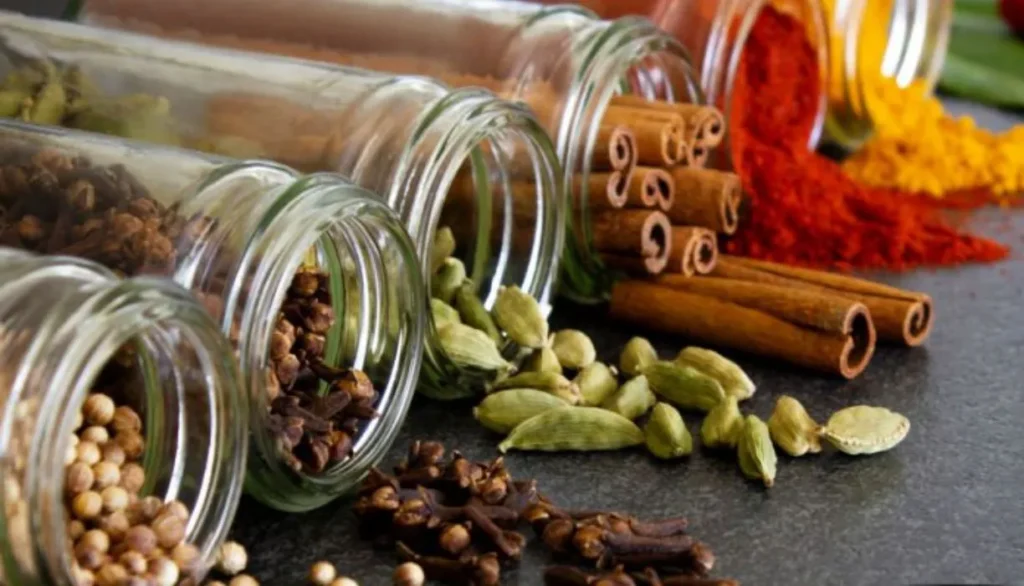
Scientific Evidence on Ayurveda and Health
Although Ayurveda has existed for over 5,000 years, modern science is beginning to validate its effectiveness.
📌 A study published in the Journal of Ayurveda and Integrative Medicine found that Ayurvedic practices can reduce inflammation and improve immune function.
📌 Harvard University research suggests that diet plans based on Doshas can improve digestion and reduce gastrointestinal symptoms.
📌 Studies from the University of Kerala confirm that Ayurvedic massage (Abhyanga) enhances blood circulation and reduces stress.
These findings prove that Ayurveda is not just ancient wisdom—it’s a practical, evidence-based approach to health.
Conclusion: Why Ayurveda Matters in 2025
From my experience as a scientist and researcher, I firmly believe that Ayurveda is one of the most powerful tools for self-care and disease prevention. The key to long-term health is understanding your Dosha and aligning your lifestyle with your natural constitution.
If you’re serious about improving your well-being, I encourage you to explore Ayurveda further, consult a specialist, and integrate these principles into your daily life. After all, modern medicine and Ayurveda can work together to create a more balanced and healthier future.
🌿 Now tell me: did you identify your Dosha? How do you plan to incorporate Ayurveda into your routine?

Reference
1. Ancient Health Knowledge: From Tradition to Science
This article discusses how scientific studies support the effectiveness of Ayurvedic practices, including herbal medicine, meditation, and yoga, in reducing stress, improving digestion, and strengthening the immune system.
🔗 Read more here
2. Ayurveda: A Holistic Approach to Arthritis Treatment
This article explains how Ayurveda uses a combination of dietary changes, lifestyle modifications, herbal remedies, and specific therapies to treat arthritis, emphasizing its anti-inflammatory effects and joint health benefits.
🔗 Read more here
3. Ayurvedic Anti-Inflammatory Diet: A Step-by-Step Guide to Reduce Inflammation and Improve Health
This guide details how the Ayurvedic diet helps reduce inflammation through antioxidant-rich foods and anti-inflammatory spices, promoting Dosha balance and overall well-being.
🔗 Read more here
4. Turmeric: The Natural Power for Joint Pain and Arthritis Relief
This article explores the scientific benefits of turmeric, a widely used Ayurvedic spice, highlighting its role in reducing inflammation and alleviating joint pain, backed by numerous research studies.
🔗 Read more here
5. Nutraceuticals and Inflammation: Benefits, Studies, and Mechanisms
This article discusses how plant-based phytochemicals have significant anti-inflammatory properties, helping to regulate inflammatory processes and alleviate allergic conditions, as confirmed by various scientific studies.
🔗 Read more here